Cargo-craze; How fettle hubs are supporting both two-wheeled and three-wheeled transport.
Fettle | Wednesday 6th October 2021 11:47am
Within 8 years bikes are predicted to outsell cars in Europe by two-to-one. With better cycling infrastructure in place across the UK, three-wheeled transport for young families is becoming more accessible than ever. Using a cargo bike to transport the kiddies is no longer confined to our glamorous Dutch counterparts, who have long been piling their offspring into their pedal powered wagons.
And it’s not just families who have been taking to the cargo-craze. Businesses are moving away from the ‘white van man’ to transport goods, looking for cheaper, more environmentally friendly methods. And it makes sense. Why would you pay for a courier to sit in stationary traffic, when the cargo bike can use the bike lanes? With government grants offered for the purchase of cargo bikes, and companies such as PedalMe and Tryd making it easier than ever to book cargo transport, it’s no wonder so many companies are going green.
However - and you might be noticing a theme here - whilst getting your mitts on a three-wheeled machine can be as simple as a few quick clicks online, getting a cargo bike repaired or serviced can create a sizeable headache. Local bike shops likely won’t have the space to work on it, and whilst you may be able to get a mobile mechanic out, they won’t have the same array of tools as a workshop. Particularly when so many cargo bikes are also e-bikes, they need specialist knowledge and equipment to get them back on the road.
At fettle, we’re able to repair cargo bikes and trikes by using our collect and return service to deliver them to our hubs. Adult tricycles are growing in popularity for those who are now unable to ride on two-wheels, but want the freedom and exercise of pedal power. fettleFinsburyPark is our largest workshop to date, with space for over 70 bikes at a time. With pull down shutters, and an entrance wide enough to reverse a van into, the number of cargo bikes we’ve been collecting has been steadily increasing as word spreads and our customers return.
As we crowdfund our expansion, we’ll be opening further hubs across London and the UK. Being slightly outside of the city affords space for multiple mechanics and stands. Our hub and spoke format (large factory-like workshops complimented by smaller workshops in more visible locations), allows us to truly be the most progressive bike repair network. It means we can cater for all forms of pedal powered transport, and maximise our bookings. If a cargo bike wants to drop off at one of our smaller workshops, that’s fine - we can swing around in Mark CaVanDish (our beautiful fettle van) and get it taken to the hub.
The way cities move people and goods is changing. 150 years ago graduating from the humble horse and cart to the motor car would have seemed futuristic and difficult to imagine. With cargo bikes set to be the next step forwards, fettle is well established to help keep cities moving. Our hub and spoke model works for London. It’s time to scale and take it the rest of the UK. And with the funds to do that coming in, we can’t wait to get cracking...


Any facts, figures and prices shown in our blog articles are correct at time of publication.
Featured Articles
The 10-Minute Check That Could Save Your Commute
Tuesday 24th February 2026
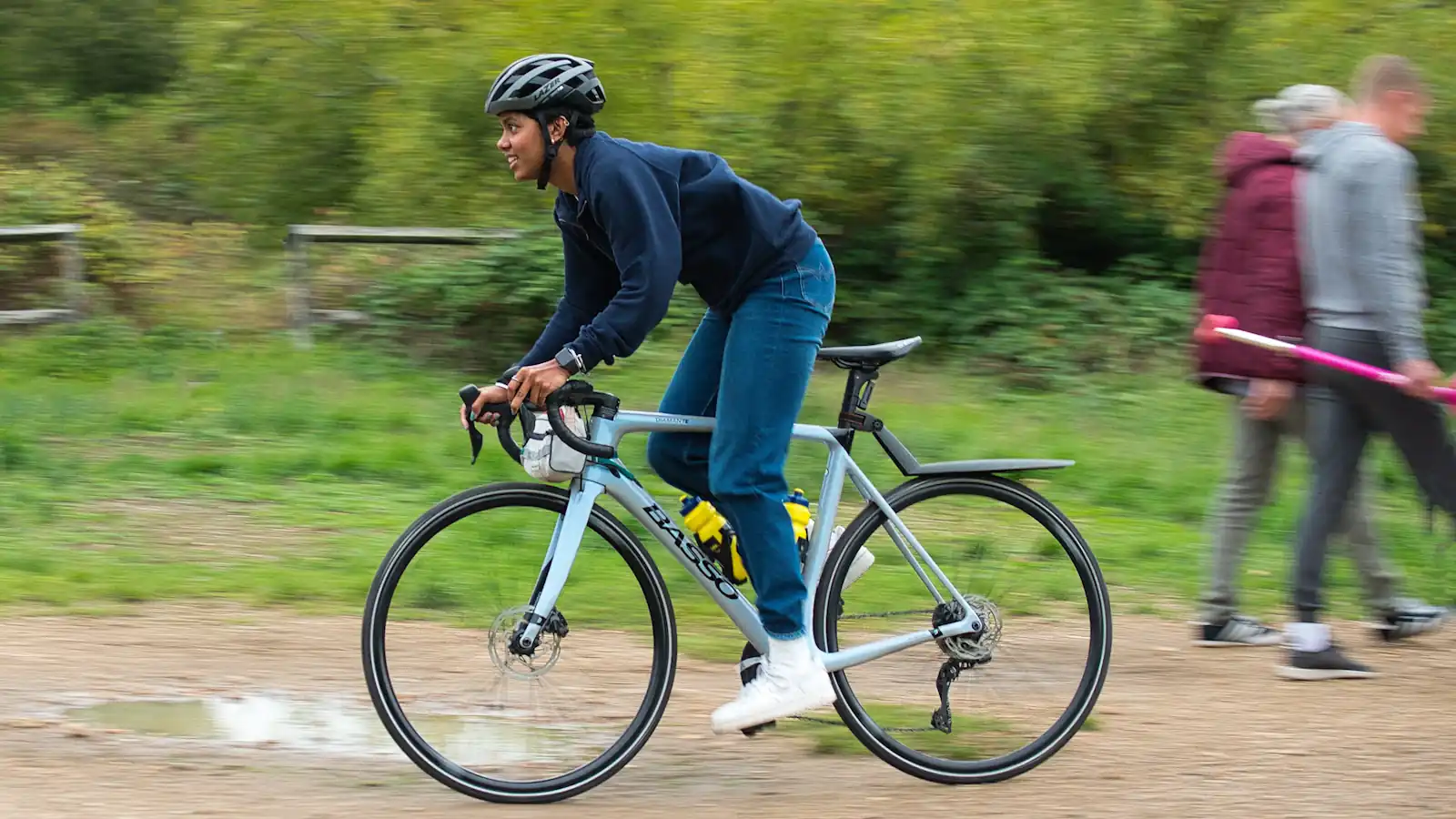
Most bike problems don’t happen suddenly. They build up quietly — until one morning your gears won’t shift, your tyre’s flat, or your brakes feel wrong halfway through traffic. The good news? A simple 10-minute check once a week can prevent most of it. If your bike is part of your daily routine, a quick once-over is the difference between riding confidently and walking home pushing it. Here’s what to look at.
How E-Bikes Are Making Cycling More Inclusive For Everyone
Tuesday 20th January 2026
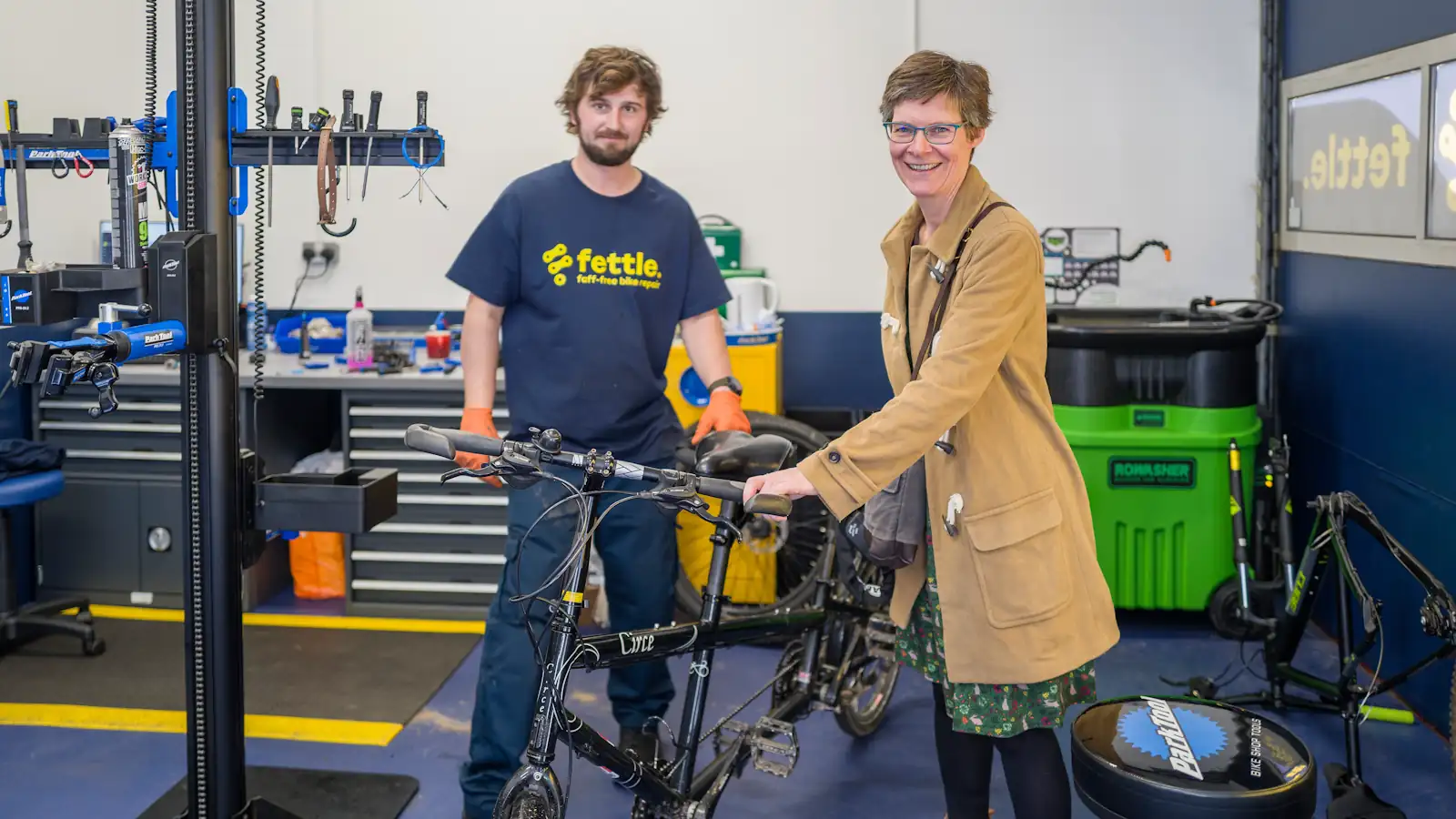
Cycling used to come with assumptions. You had to be fit enough. Fast enough. Confident enough. Live close enough. For a long time, that quietly excluded a lot of people. E-bikes have changed that. Not by replacing traditional cycling, but by widening the door. They’ve made cycling more practical, more forgiving, and more realistic for everyday life — and that’s why they’re becoming such a permanent part of urban transport.