
Cleaning your bike without ruining it
Fettle | Wednesday 13th August 2025 2:19pm
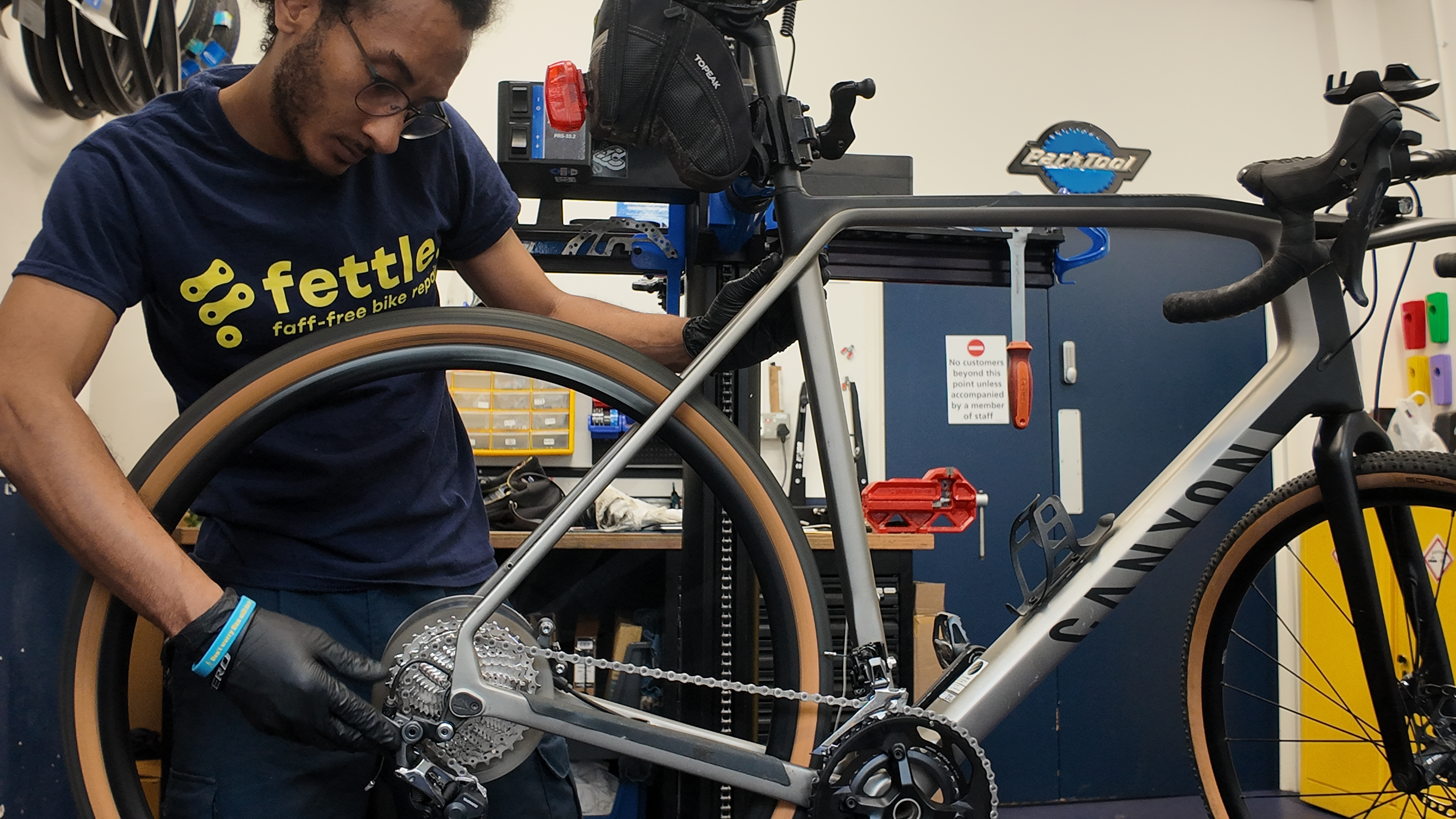
Cleaning your bike without ruining it
Whether you’re a weekend cyclist or a daily commuter in the United Kingdom, keeping your bicycle clean isn’t just about looking good — it’s about keeping you rolling smoothly and avoiding those “why is it making that noise?” moments. Done right, it’s one of the simplest forms of bicycle maintenance you can do yourself, saving you time, money, and avoiding unnecessary bicycle repair work.
The right kit for the job
Use:
Bike-specific cleaners – gentle on paint, decals, and seals, tough on muck, and trusted in the bicycle industry.
Soft brushes & microfibre cloths – shift grit without scratching.
Chain degreasers – clean drivetrains without the elbow grease.
Bike-focused lubricants – keep everything moving smoothly, rain or shine.
Avoid:
Household detergents – they strip away vital grease and encourage corrosion, leading to early bicycle repair needs.
Abrasive sponges – ruin finishes and remove protective coatings.
Automotive cleaners – far too harsh for bicycle parts, and potentially hazardous.
(We’ve tested and trusted products that our own pro bicycle mechanics and bicycle repairers use every day — ask us if you want to skip the guesswork.)
Why jet washes are a hard no
That satisfying blast of water? Not worth it. High pressure forces water into hubs, bearings and suspension seals — washing away lubrication, inviting rust, and fast-tracking you to a bicycle repair bill.
Instead, rinse with low pressure or a bucket and sponge. Work top to bottom, give the drivetrain extra attention, and keep your components happy.
If your bicycle already feels rough or noisy, pop into Fettle Bike Repair Ltd or even a Kwik Fit branch offering bike servicing. We’ll give it the deep clean it deserves, using specialist parts washers — and tune everything else while we’re at it.
Routine clean vs. Deep clean
Routine cleaning (weekly or after wet cycling):
Wipe down the frame, wheels and drivetrain.
Check brakes and gears.
Stops grit and grime from building up and prevents premature wear.
Deep cleaning (every few months or after muddy adventures):
Remove wheels, degrease drivetrain, clean cassette & derailleurs.
Check components for wear.
Re-lube moving parts.
If you’re not confident about stripping parts, that’s where we come in. Our servicing packages include everything from tweaks and tunes to pro-level cleaning, checks and adjustments — so you can ride away rattle-free, with no surprise bicycle repair bills. Professional bicycle mechanics in our network ensure every cycle repair shop visit leaves your bike in top condition.
Extra tips for a happy bike
Always dry your bicycle after washing — moisture is corrosion’s best mate.
- Store it somewhere dry.
- Very lightly re-lube after every wash, for silky smooth rides and fewer bicycle repair needs.
Keep it clean, keep it rolling
With the right approach, your bicycle will last longer, ride better, and cost you less to maintain. Routine bicycle maintenance prevents small issues from turning into big bicycle repair jobs.
Or, skip the faff entirely — book a clean and service with Fettle Bike Repair Ltd. Whether you choose us or another trusted cycle repair shop, an experienced bicycle mechanic will make sure you get the most from every ride.
extraordinary service, zero faff.


Any facts, figures and prices shown in our blog articles are correct at time of publication.
Featured Articles
The 10-Minute Check That Could Save Your Commute
Tuesday 24th February 2026
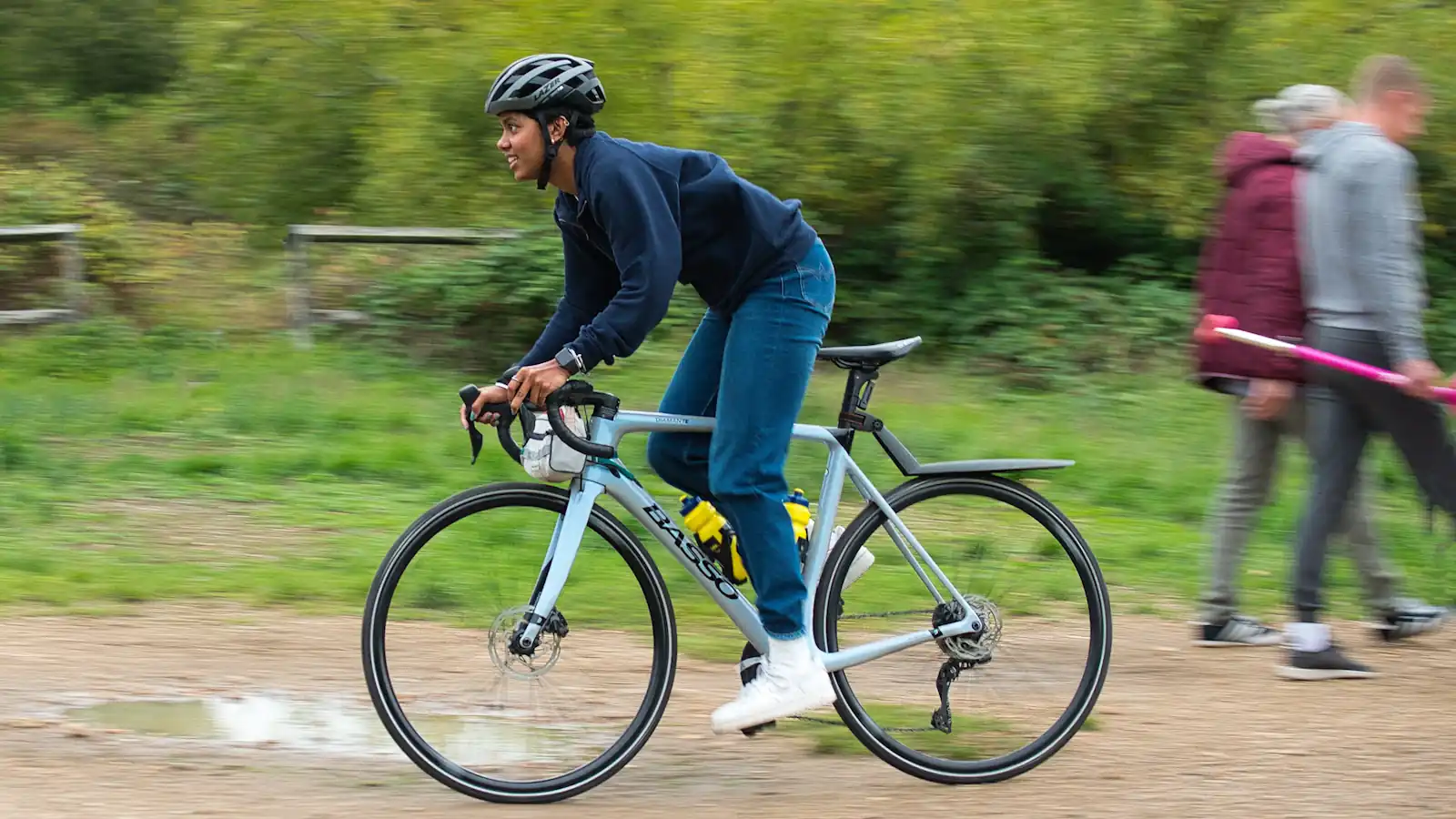
Most bike problems don’t happen suddenly. They build up quietly — until one morning your gears won’t shift, your tyre’s flat, or your brakes feel wrong halfway through traffic. The good news? A simple 10-minute check once a week can prevent most of it. If your bike is part of your daily routine, a quick once-over is the difference between riding confidently and walking home pushing it. Here’s what to look at.
How E-Bikes Are Making Cycling More Inclusive For Everyone
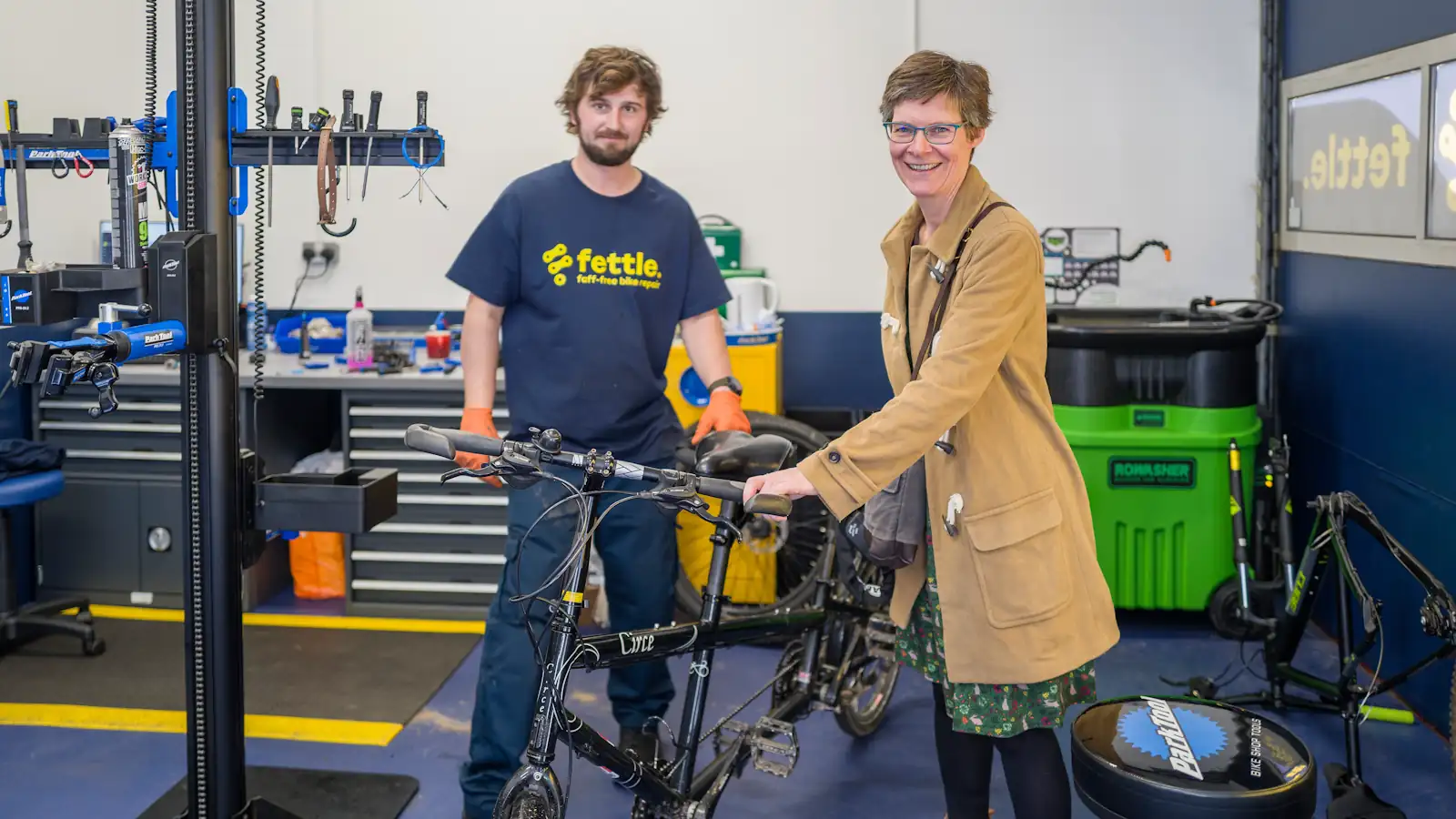
Tuesday 20th January 2026
Cycling used to come with assumptions. You had to be fit enough. Fast enough. Confident enough. Live close enough. For a long time, that quietly excluded a lot of people. E-bikes have changed that. Not by replacing traditional cycling, but by widening the door. They’ve made cycling more practical, more forgiving, and more realistic for everyday life — and that’s why they’re becoming such a permanent part of urban transport.