
Folding e-bikes: The Secret to Stress-Free Commuting
Fettle | Thursday 27th November 2025 5:31pm
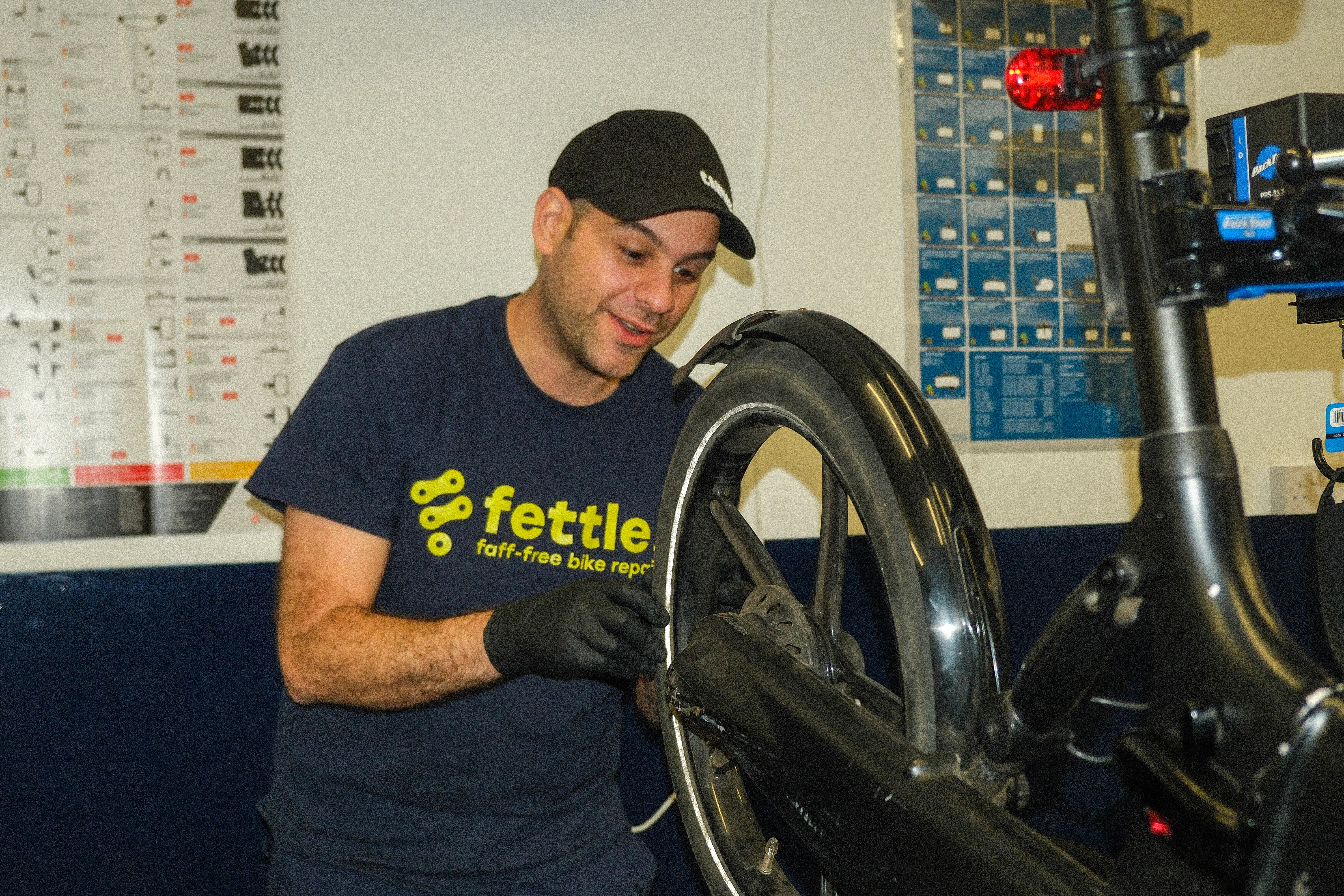
Folding e-bikes: The Secret to Stress-Free Commuting
The commute is changing in the UK. Trains are busy, roads are slow, and personal transport has shifted from “nice to have” to “need to work every day”. Among the fastest-growing solutions in the bicycle industry is the humble-genius folding e-bike — quiet, fast, compact and increasingly impossible to ignore.
Not every rider needs a heavyweight e-bike or elite speed machine. Many modern commuters simply want a bicycle that is dependable, clever with space, and genuinely easy to live with. Folding e-bikes deliver all of that — and then roll it up neatly under your desk when you arrive.
London commuting, but make it simpler
Space is the unspoken currency of city cycling. Whether you're switching between the Tube, bus, or mainline rail, owning a full-size bicycle in London often means wrestling for storage, leaning it in hallways, or clamping it on packed carriages.
A folding e-bike solves the riddle: ride it to the station, fold it before boarding, and step onto your train without the elbows-out negotiation. They slip into commuters’ lives in ways a standard bike simply can’t.
For many cyclists, it turns multi-stage journeys into a single smooth motion. That’s the appeal. No gear anxiety. No juggling bikes through barriers. No dragging it upstairs and apologising to fellow passengers.
This is cycling as logistics, but done cleverly — not loudly.
Small bikes, big impact
Despite their condensed frames, folding e-bikes are powerful performers.
They weight less, accelerate faster, and are far less intimidating for new riders who don’t want a bike the size of a small planet. Cycling becomes approachable and adaptable, not a production.
For ride confidence, smaller isn’t a compromise anymore. It’s the point.
Tyres, pressures and the puncture plot twist
Folding e-bikes are engineered for urban cycling, which means they roll through the most debris-littered terrain in the city: curbs, glass-lined backstreets, pinch-puncture potholes, and late-night road grit.
That’s why good tyre choice matters. And why riders should understand what “puncture-resistant” actually means:
Puncture-resistant isn’t puncture-immune. It means tougher casing and added protection layers to reduce risk, not remove it.
Tyre pressure is a balancing act: too low invites pinch punctures, too high reduces grip and comfort.
Smaller wheels (common on folding e-bikes) need correct pressure even more — there’s less forgiveness built into a 16- or 20-inch tyre than a 700c wheel
So, what should London commuters choose?
Daily cyclists benefit most from robust city tyres built for debris, weight and frequency.
For longer commutes and heavy loads (bags, kit, couriers), reinforced rear-wheel casings are a win.
Tyre pressure checked with a pump gauge beats guessing every time..
Tubeless or inserts – worth it?
Not everyone needs tubeless, but some riders really do. Here’s the rule of thumb we share at Fettle workshops:
Tubeless is worth it for you if:
You commute almost daily
You want fewer puncture stops
You value ride comfort
You ride at speed through imperfect surfaces
You don’t want to carry extra inner tubes
Tyre inserts might be worth it if:
You load your bike with kit or cargo
You ride in high-impact environments
You’re a cyclist who prioritises resilience over weight purity
You’d like extra rear-wheel protection without switching fully to tubeless
Neither system is a universal rule. But both can be the difference between a reliable commute and a long walk home pushing a folded bike like a shopping trolley with trust issues.
If you’re unsure, a same-day assessment at your closest Fettle bike workshop gives you the clarity you actually need.


Any facts, figures and prices shown in our blog articles are correct at time of publication.
Featured Articles
The 10-Minute Check That Could Save Your Commute
Tuesday 24th February 2026
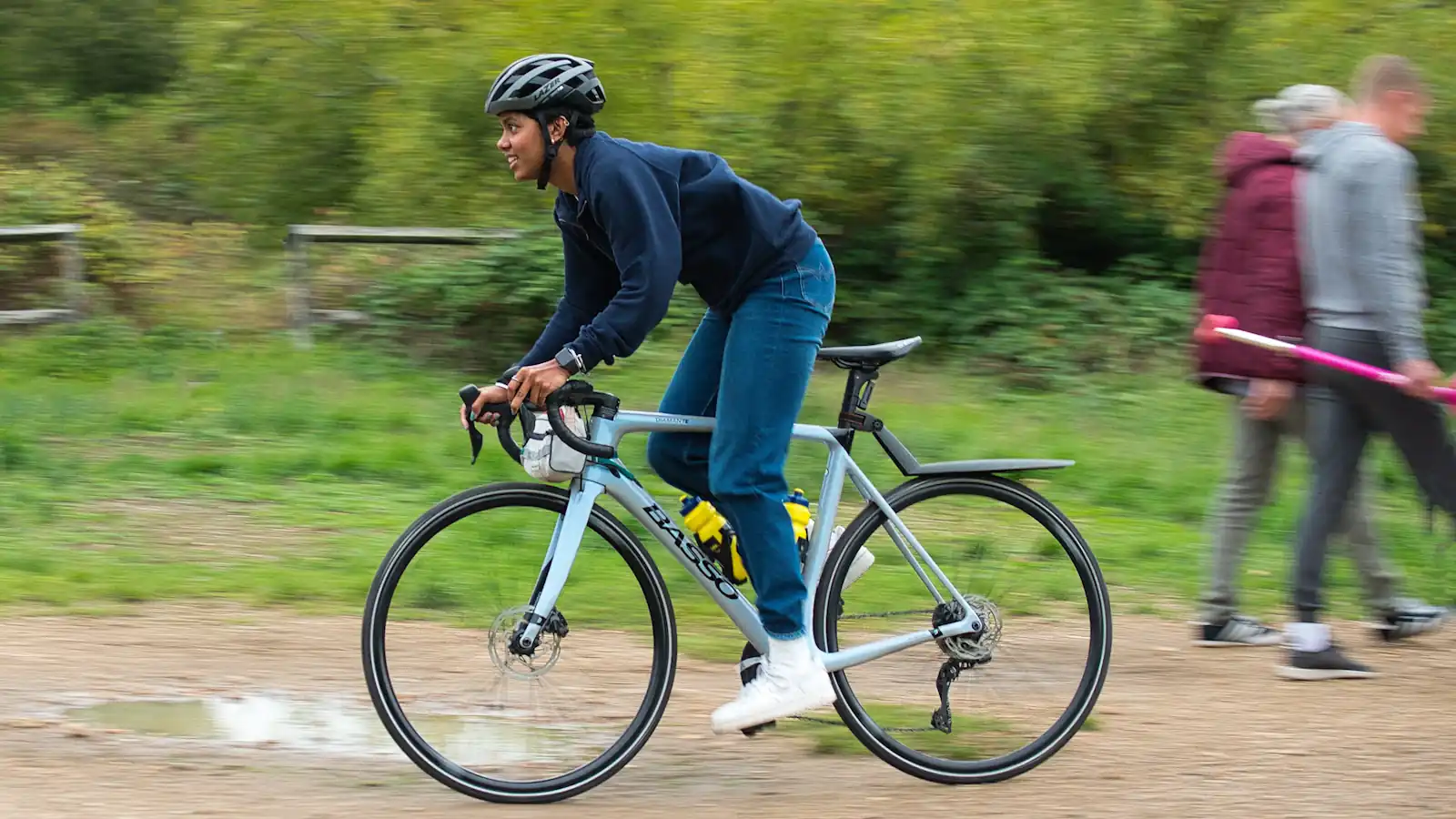
Most bike problems don’t happen suddenly. They build up quietly — until one morning your gears won’t shift, your tyre’s flat, or your brakes feel wrong halfway through traffic. The good news? A simple 10-minute check once a week can prevent most of it. If your bike is part of your daily routine, a quick once-over is the difference between riding confidently and walking home pushing it. Here’s what to look at.
How E-Bikes Are Making Cycling More Inclusive For Everyone
Tuesday 20th January 2026
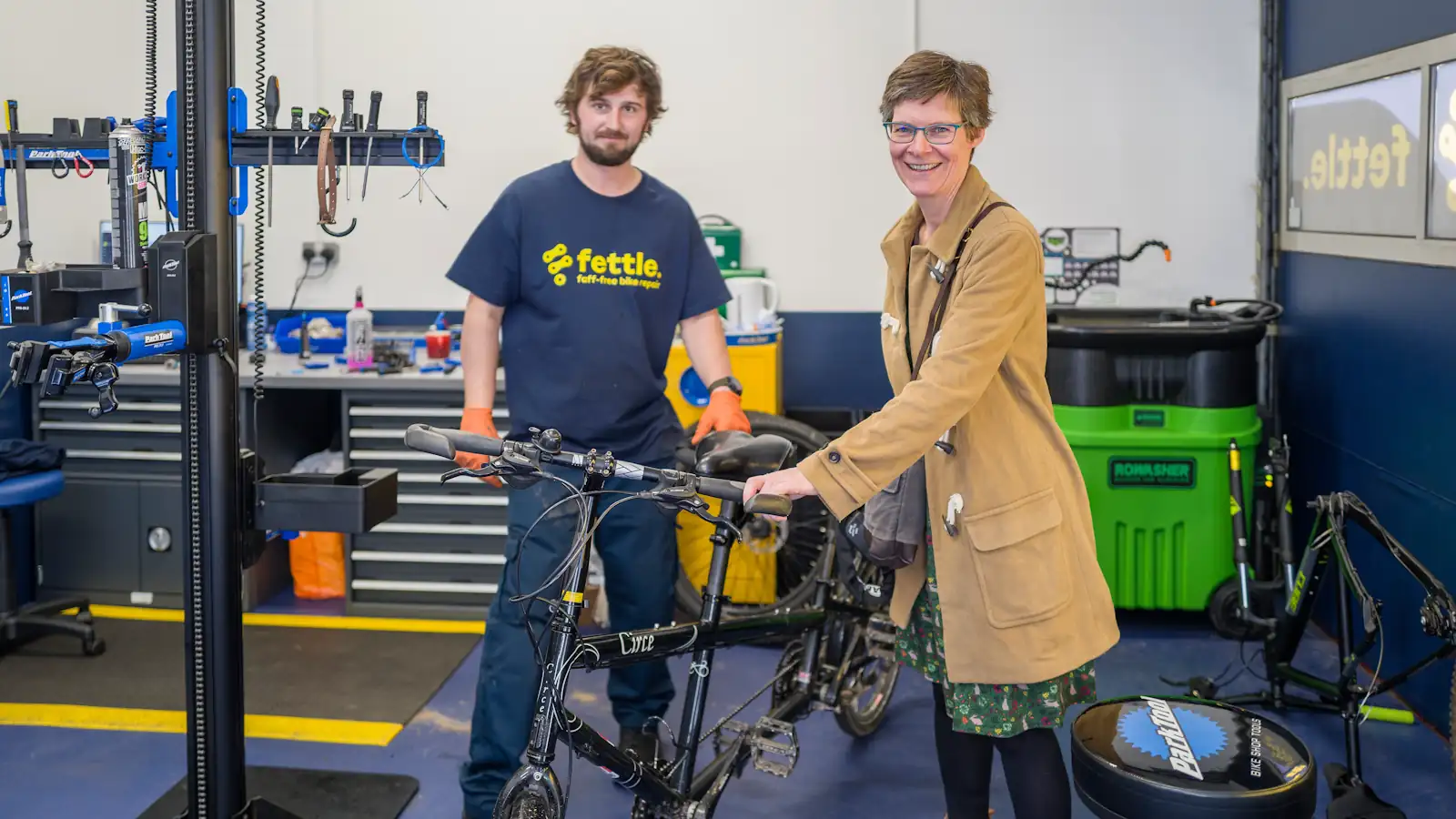
Cycling used to come with assumptions. You had to be fit enough. Fast enough. Confident enough. Live close enough. For a long time, that quietly excluded a lot of people. E-bikes have changed that. Not by replacing traditional cycling, but by widening the door. They’ve made cycling more practical, more forgiving, and more realistic for everyday life — and that’s why they’re becoming such a permanent part of urban transport.